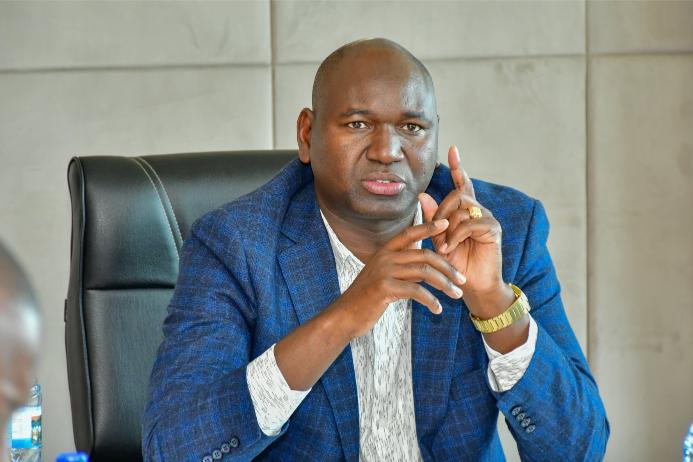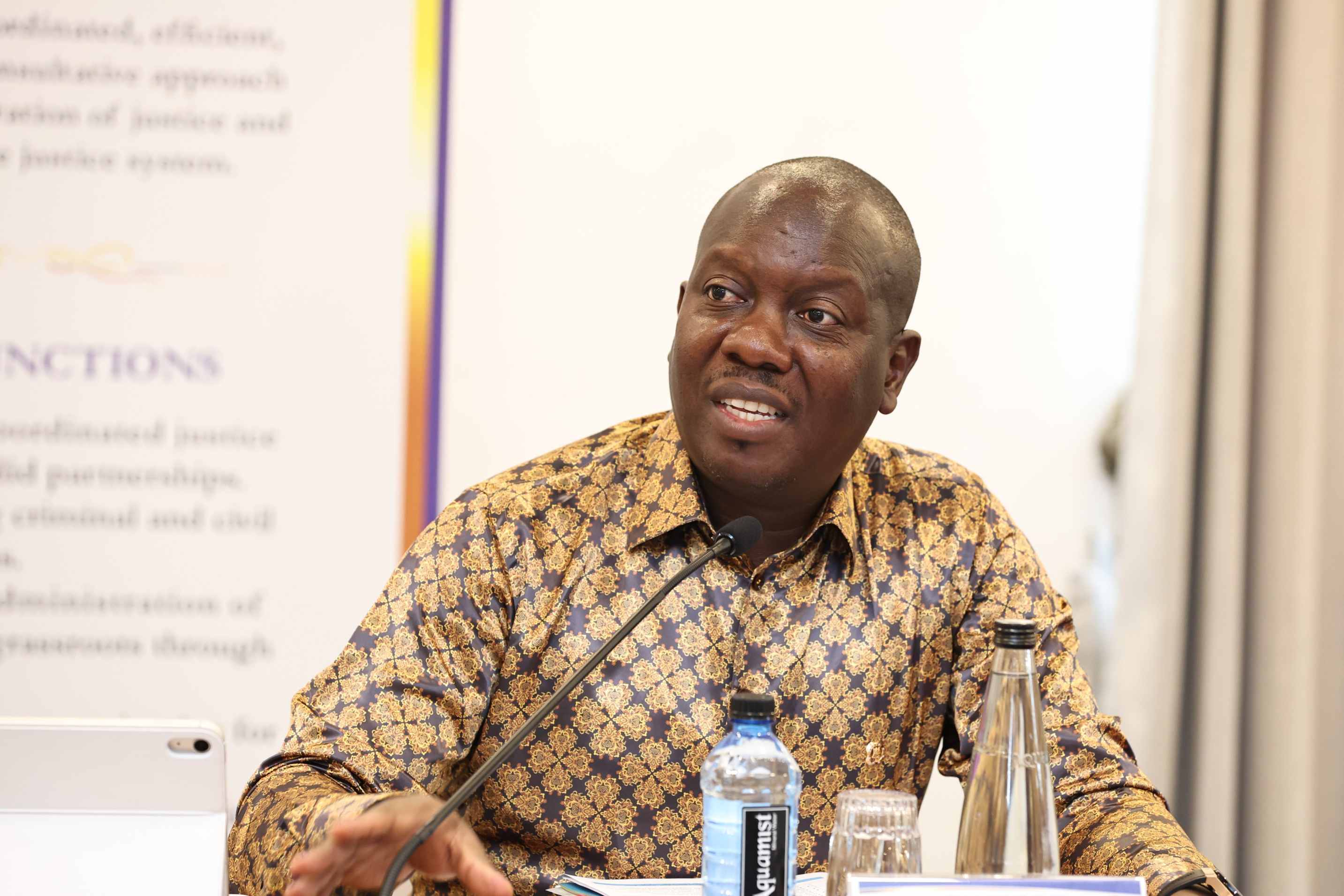
Director of Public Prosecutions Renson Ingonga has called for bold structural reforms, accelerated digital transformation, and stricter accountability within Kenya’s justice system.
Speaking at the 35th National Council on the Administration of Justice (NCAJ) meeting held in Mombasa on Tuesday, Ingonga urged justice sector leaders to move beyond routine performance reviews and embrace candid reflection and forward-looking reforms as they shape the Strategic Plan 2026–2030.
“We are not gathered merely to take stock of routine performance,” Ingonga said.
“We are called upon to reflect honestly on our progress, interrogate areas where we have underperformed, draw lessons from implementation challenges, and, more importantly, to chart a clear and forward-looking trajectory for our Strategic Plan 2026–2030. This process demands candour, collective ownership, and institutional courage from each of us.”
The DPP acknowledged progress in recent reforms, noting achievements such as strengthened multi-agency coordination, expanded Court Users Committees (CUCs), advances in anti-corruption measures, and the rollout of digital innovations including e-filing systems, prosecutorial case management platforms, and digitized legal repositories.
“These are significant achievements and should not be understated,” he said.
However, Ingonga highlighted persistent challenges, including case backlogs, unsatisfactory time-to-disposition in some criminal matters, and infrastructure and staffing constraints that hamper efficiency.
“The public ultimately judges us not by the policies we draft, but by the speed, fairness and accessibility of justice delivered,” he said, emphasizing that unresolved delays erode public trust and undermine institutional legitimacy.
Central to his address was the call for a people-centred justice system, ensuring that survivors of violence receive timely resolution, accused persons’ constitutional rights are safeguarded, children in conflict with the law are rehabilitated, and citizens in remote counties can access justice without barriers.
“Justice must be experienced in practical terms, not merely administered procedurally,” he said, underlining that efficiency is not just an operational target but a constitutional obligation under Article 159, which mandates that justice shall not be delayed.
Ingonga stressed the importance of leveraging digital tools and AI responsibly, strengthening grassroots justice systems, and enforcing measurable timelines for Council resolutions.
“Digital transformation is not optional; it is foundational to the justice system of the future,” he said, urging stakeholders to commit to building a system that delivers timely outcomes, protects rights, upholds dignity, and inspires public confidence.
The outcomes of the 35th NCAJ Council Meeting are expected to shape Kenya’s justice reform agenda over the next five years, anchoring it on citizen-responsive, technologically enabled, and institutionally accountable practices.